
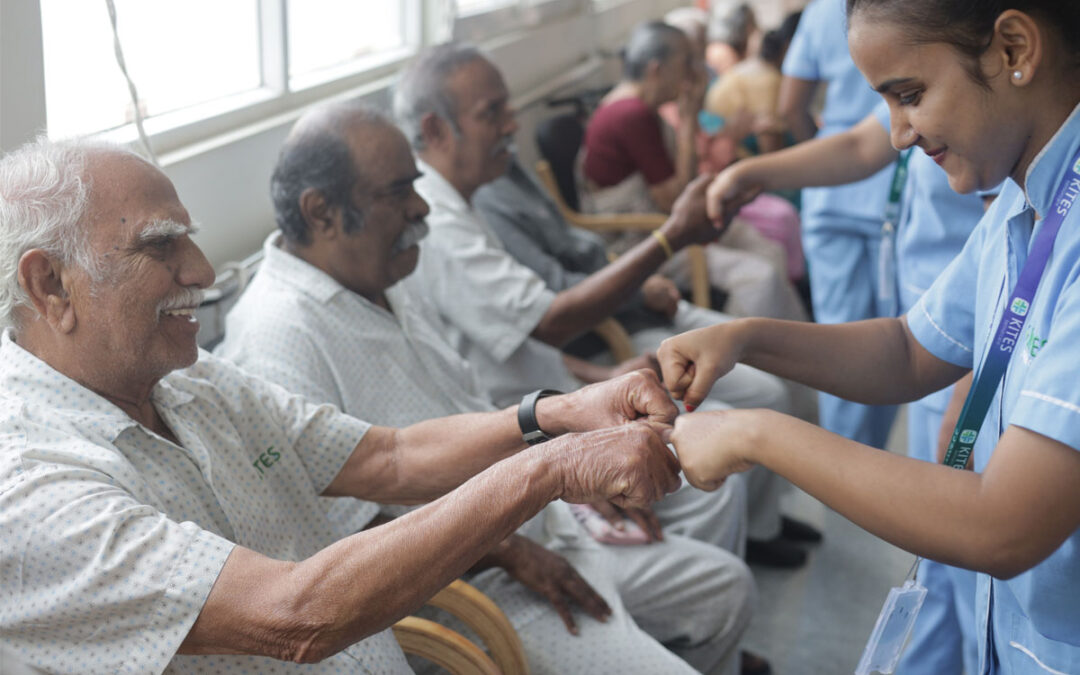
A well-organised weekly checklist helps caregivers stay on top of various responsibilities, from monitoring vital signs and medications to providing emotional support. This simple tool helps caregivers identify potential issues early, adjust care plans as needed, and prevent complications. Whether managing post-hospital recovery, dementia care, or palliative support, regular monitoring is important in ensuring that everything stays on track and seniors receive the care they deserve. As one of the expert providers of care services for elderly, we have shared a practical and easy-to-follow weekly checklist.
Health monitoring and medical care
One of the most important aspects of senior care is consistent monitoring of vital health indicators. Caregivers should check the following:
- Blood pressure
A weekly health monitoring checklist should include checking blood pressure. High or unstable blood pressure may increase the risk of serious conditions such as strokes, heart disease, or circulation problems. Regular monitoring helps caregivers identify unusual readings early and seek medical advice where necessary. Keeping a record of blood pressure changes over time can also support better treatment decisions and ongoing care.
- Weigh
The checklist should also include monitoring weight on a regular basis. Sudden weight gain may indicate fluid retention or other health concerns, while unexpected weight loss may point to poor nutrition, dehydration, or illness. Tracking weight each week can help caregivers recognise changes that may otherwise go unnoticed. This is especially important for seniors with chronic conditions or reduced appetite.
- Blood sugar level
Regular checks can help prevent complications caused by blood sugar levels that are too high or too low. Caregivers should keep a note of unusual readings as well as symptoms such as sweating, weakness, confusion, or dizziness. Weekly monitoring supports better diabetes management and better overall health control.
- Temperature and puls
The checklist should also include checking temperature and pulse. Changes in temperature may indicate infection, while an irregular or unusually fast or slow pulse may suggest other underlying health issues. Monitoring these signs weekly allows caregivers to detect possible concerns at an early stage. Early identification can lead to prompt medical attention and reduce the risk of complications.
Medication management
Proper medication management is crucial in senior care. With multiple prescriptions, it’s easy to lose track of dosages. A checklist ensures:
- Medication adherence: A weekly medication checklist should include confirming that all medicines are being taken correctly. Caregivers should check whether seniors are taking the right medication, at the correct time, and in the prescribed dose. Missed doses, confusion about instructions, or difficulty taking medicines should be recorded and addressed promptly. Consistent adherence is important for managing existing health conditions and preventing deterioration.
- Side effects: The checklist should also include observation of any side effects or adverse reactions. Caregivers should watch for symptoms such as nausea, drowsiness, dizziness, stomach upset, confusion, rashes, or changes in behaviour after medication is taken. These signs may indicate that a medicine or dosage needs to be reviewed by a doctor. Regular monitoring helps ensure that treatment remains both safe and effective.
Inadequate medication management can lead to hospitalisation or worsened health conditions.
Nutrition and hydration
Proper nutrition and hydration are essential for maintaining energy levels and preventing dehydration-related issues. A weekly check of the following is vital:
- Fluid intake: A weekly nutrition and hydration checklist should include a review of fluid intake. The caregiver should ensure the person drinks enough fluids each day, including water, soups, milk, and other suitable drinks.. It is also helpful to note signs of dehydration such as dry mouth, dark urine, dizziness, tiredness, or confusion. This helps ensure that hydration is maintained consistently throughout the week.
- Meal intake and nutritional balance: The checklist should also track meal intake and overall nutrition. Caregivers can ensure regular meals and a balanced intake of protein, fruits, vegetables, whole grains, vitamins, and minerals. Portion size and meal frequency also matter, especially when smaller meals are preferred. Missed meals or a repeated lack of interest in food should be noted, as this may affect strength, immunity, and overall wellbeing.
- Appetite and eating ability: Another key part of the checklist should focus on appetite and eating ability. This means taking note of loss of appetite, difficulty chewing, swallowing problems, nausea, or discomfort after eating. Changes in taste, dental pain, or medication side effects may also affect food intake and should be observed carefully. Weight changes over time can also be included as part of the review.
Physical activity and mobility
A regular weekly checklist helps caregivers monitor movement, suitable exercise regime and whether the environment is safe and reduces the risk of falls.
- Mobility
A weekly physical activity checklist should include a review of mobility. Caregivers should observe whether seniors can move around safely with or without assistance, including walking, standing up from a chair, getting into or out of bed, and using stairs where relevant. Any signs of stiffness, pain, weakness, or reduced movement should be noted, as these may affect independence and increase the risk of falls. Changes in mobility over time should also be monitored carefully so that any decline can be addressed early. - Exercise participation
The checklist should also include participation in regular exercise or movement-based activities. Caregivers should check whether seniors are taking part in suitable exercises such as walking, stretching, light strengthening activities, balance exercises, or physiotherapy sessions. The frequency and duration of these activities should be reviewed each week to ensure that physical activity is being maintained consistently. If seniors are unwilling or unable to participate, the reasons should be identified, whether due to tiredness, pain, fear of falling, or lack of motivation. - Strength and balance
Another important part of the checklist should focus on strength and balance, as both are essential for preventing falls and maintaining independence. Caregivers should observe whether seniors appear steady while walking, turning, or changing position. Difficulty standing for long periods, unsteadiness, or needing increased support may suggest reduced balance or muscle weakness. Recording these signs can help determine whether additional exercise support or medical advice is needed. - Fall prevention and safety
The checklist should also include fall prevention within the care environment. Proper lighting, clear walkways, secure flooring, supportive footwear, and the correct use of walking aids should all be checked regularly. Any recent slips, trips, or falls should be recorded, including the possible causes. A safe environment, together with regular physical activity, helps preserve mobility, reduce muscle loss, and support overall wellbeing in seniors.
Regular movement helps prevent stiffness, improves circulation, and improves mental health by reducing stress and anxiety.
Cognitive and emotional well-being
A weekly checklist should include regular observation of mood, behaviour, thinking ability, and social engagement. By reviewing these areas consistently, caregivers can identify early signs of emotional distress, cognitive decline, or social withdrawal and provide timely support.
- Mood and behaviour tracking
A weekly mental health checklist should include observation of mood and behaviour. Caregivers should watch for signs such as sadness, anxiety, irritability, confusion, withdrawal, agitation, or sudden changes in personality. These changes may indicate depression, emotional distress, medication side effects, or other underlying concerns. Recording behavioural patterns each week can help identify whether these changes are temporary or ongoing and whether further professional support may be needed.
- Cognitive engagement
Caregivers should note whether seniors are participating in suitable cognitive activities such as reading, puzzles, memory games, conversation, music, or other simple tasks that encourage attention and thinking. A lack of interest in such activities or increasing difficulty in completing them may suggest cognitive decline or reduced mental stimulation. - Social interaction
Another important part of the checklist should focus on social interaction. Caregivers should review whether seniors are spending time with others, joining group activities, speaking with family members, or enjoying companionship with fellow residents or staff. Isolation and loneliness can have a serious effect on emotional health, so reduced interest in social contact should be noted. Encouraging regular connection with others can improve mood, build a sense of belonging, and support a better quality of life.
A sense of belonging and social inclusion greatly impacts the overall happiness and health of seniors.
Sleep and rest
A weekly sleep and rest checklist should include a review of sleep quality, comfort, sleeping patterns, and daytime rest habits. Regular monitoring can help caregivers identify sleep-related problems early and take steps to improve comfort and routine.
- Sleep patterns
A weekly checklist should include observation of sleep patterns. Caregivers should note whether seniors are sleeping well through the night, waking frequently, struggling to fall asleep, or appearing tired during the day. Difficulties such as insomnia, restless sleep, loud snoring, or breathing interruptions may suggest underlying sleep disorders or health issues. Keeping track of these patterns can help determine whether changes in routine, environment, or medical attention are needed. - Comfort and sleep environment
The checklist should also include the comfort and safety of the sleeping environment. Caregivers should check whether the bed is supportive, the bedding is clean and comfortable, and the room is quiet, well-ventilated, and at a suitable temperature. Lighting, noise levels, and ease of getting in and out of bed should also be reviewed. A comfortable and safe sleep setting plays an important role in helping seniors achieve restful sleep. - Daytime napping
Another important part of the checklist should focus on daytime napping. While short periods of rest during the day may be normal, frequent or excessive napping can affect sleep at night. Caregivers should observe how often seniors nap, how long they sleep during the day, and whether this is interfering with their usual sleep routine. This can help maintain a healthier balance between daytime rest and night-time sleep.
A weekly checklist ensures that important aspects of a senior’s health and daily care are monitored regularly and consistently. It helps caregivers identify early warning signs, track changes over time, and respond promptly to any physical, emotional, or medical concerns.
Looking for elderly care services in Bangalore?
At KITES Senior Care, we offer compassionate, personalised care to meet the needs of every senior. Our services are available at our care centres in Bangalore and also delivered in the comfort of one’s own home.
We specialise in post-surgery and post-hospitalisation rehabilitation, which ensures that seniors have the support they need to recover smoothly and reduce the risk of readmission. Our hospice and palliative care services focus on comfort, pain management, and emotional well-being. In addition, we provide dementia care with a comprehensive programme that offers a safe environment and engaging activities for those with Alzheimer’s and other cognitive challenges.
Our experienced and empathetic team works closely with families, provides long-term support and ensures that care plans are adjusted as needed.
For more information on our care services for elderly, contact our team.