
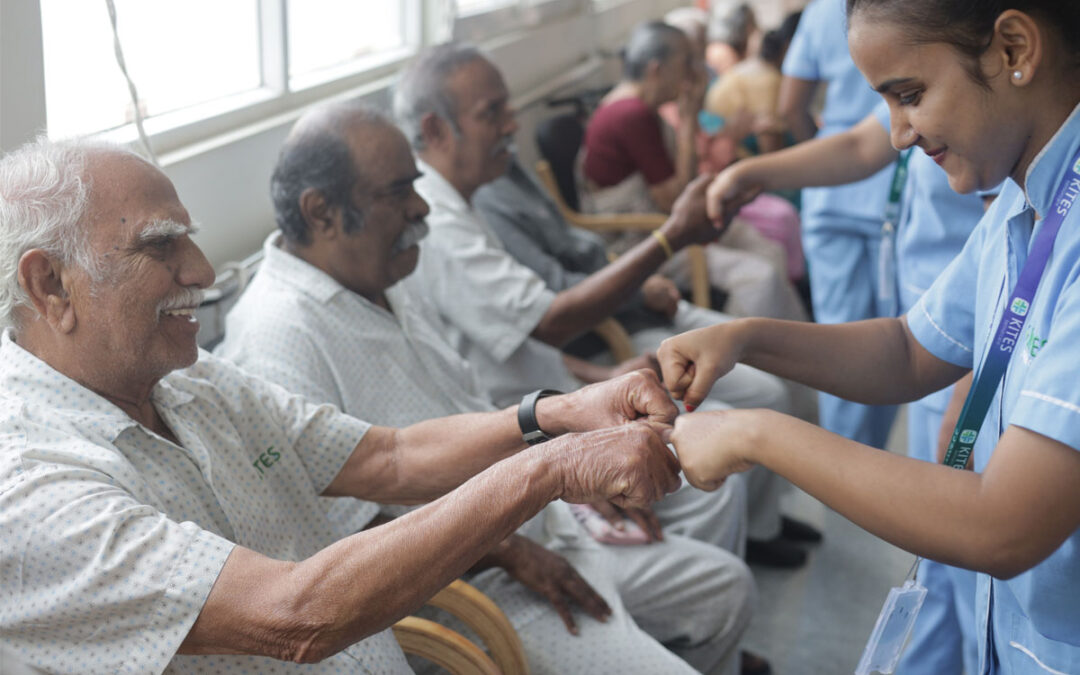
Transitional rehab centers aim to bridge the gap between hospital discharge and a safe return home for seniors. These centers offer specialized rehabilitation services such as physiotherapy, occupational therapy, and regular health monitoring. Each program is tailored to the individual’s recovery needs. Trained medical staff ensure that seniors receive personalized care through targeted rehab plans that improve mobility, manage medications, and support overall health.
This guide outlines how families can prepare emotionally and practically for a successful transition into a care center.
Understanding the emotional shift
The decision to move a loved one into a care center often brings a complex mix of emotions. While expert care may offer reassurance, uncertainty about the new environment can create unease. Open discussions with the senior can ease this tension. Including them in conversations promotes trust and reduces anxiety. Meeting the care team and learning about their qualifications can help build confidence.
Setting clear and realistic expectations about the recovery process is essential. Recognizing that progress may not always follow a straight path is important.
Practical steps for a smooth transition
Before the move, family members should gather and organize all medical documents—discharge summaries, prescriptions, and test results—and share them with the rehab team. This ensures seamless care coordination. Personal items such as favorite clothing, photographs, or keepsakes should be packed to provide comfort and familiarity.
A visit to the facility ahead of time allows the senior to become familiar with the surroundings and staff, which can ease apprehensions. Collaboration with care managers helps customize the rehabilitation plan. Sharing the senior’s preferences and specific needs ensures tailored attention from staff.
The role of trained staff in recovery
Trained caregivers play a critical role in supporting successful transitions. They assist with daily routines, therapy sessions, and health monitoring to promote safety and encourage independence. These professionals remain alert to changes in condition and adjust care plans accordingly. Emotional support from staff helps seniors feel respected and cared for during this period of adjustment.
Family’s role in staying involved
Ongoing involvement by family members strengthens recovery outcomes. Maintaining regular communication with caregivers and care managers keeps everyone informed and engaged. Participation in family meetings, tracking progress, and arranging visits all contribute to the senior’s well-being. A familiar presence during therapy or recreational activities can significantly uplift morale and reinforce emotional resilience.
The right transitional rehab center can make all the difference, in terms of care, medication, and the adaptability from hospital days to normal life. Here is where our transitional care center can offer the right support. With our care management protocol, our staff ensures total coordination and continuity of care for the seniors. We specialize in the following transitional care programs:
- Post-hospitalization care
- Cancer care
- Hip joint replacement care
- Post stroke rehab
- Skilled nursing care
- Post-CABG care
- Post-COVID care
- Elder supportive care
We have a tailored 6 star assessment process that helps us offer an individualized treatment to your loved one. Our staff provides the highest level of attention and support, which ensures well-being and contentment of the senior. With 24×7 medical supervision and time-to-time consultation, you can remain assured of receiving timely information from our end. This can end your worry and help you feel involved in the transitional care program of your loved one.