
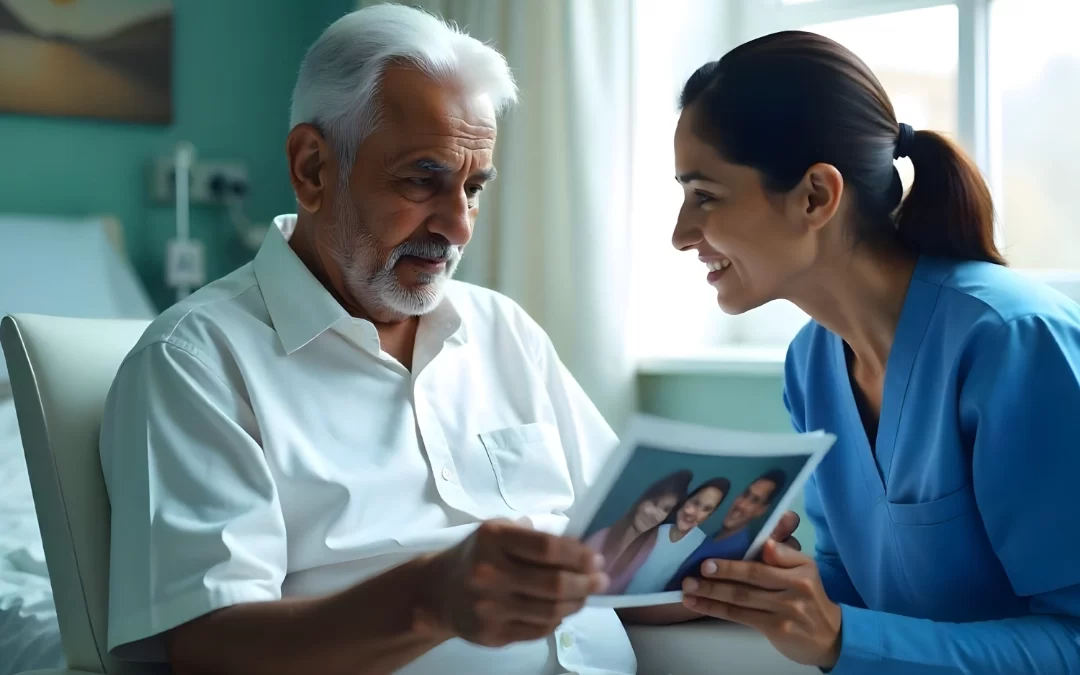
A stroke can change life in an instant. For an elderly person, the first few days can feel disorienting and physically draining. While families may feel relieved that the immediate crisis has passed, recovery is only beginning. This is where timely rehabilitation for stroke patients becomes important. Once the individual is medically stable, therapy should begin early—often within the first few days. This early phase plays a key role in helping the brain and body respond to treatment, rebuild function, and gradually regain independence.
Why early rehabilitation matters
Older adults often need more focused support during recovery after a stroke. Many are already managing age-related weakness, reduced stamina, or long-term conditions such as diabetes, heart disease, or arthritis. After a stroke, even simple tasks such as sitting up, getting out of bed, walking to the bathroom, eating safely, or speaking clearly may suddenly become difficult. Starting rehabilitation early helps prevent further physical decline and gives seniors a better chance of regaining function before immobility and loss of confidence begin to affect recovery.
Early rehabilitation also helps reduce the risk of common complications after a stroke, including swallowing difficulties, aspiration pneumonia, pressure ulcers, limb stiffness, spasticity, deep vein thrombosis, depression, and long-term loss of independence. In older adults, these complications can significantly delay recovery if they are not recognised and managed promptly.
What does early rehabilitation include?
Recovery after a stroke often needs support from more than one area of care, since strokes can affect several functions at the same time. Rehabilitation usually combines movement therapy, functional training, communication support, and emotional care, with every intervention tailored to the individual’s condition and tolerance.
Early rehabilitation for stroke patients may include:
- Physiotherapy to improve strength, posture, balance, mobility, and movement
- Occupational therapy to help with dressing, bathing, toileting, eating, and other daily activities
- Speech and language therapy to address communication changes and swallowing difficulties
- Cognitive rehabilitation to improve attention, memory, thinking, and mental adjustment
- Emotional support to help manage fear, frustration, anxiety, fatigue, and low mood
- Medical and nursing supervision to monitor recovery, medications, hydration, nutrition, and overall health
What are the early signs of progress?
Early rehabilitation can lead to gradual improvements in daily functioning. A senior may be able to sit with better balance, stand with less assistance, swallow more comfortably, or communicate more clearly. While these changes may seem small, they are often important signs that recovery is moving in the right direction. .
With the right rehabilitation, an older adult recovering from a stroke may be able to:
- regain mobility more confidently
- prevent weakness and loss of function caused by prolonged bed rest
- improve confidence in daily activities
- support the recovery of speech, swallowing, and communication
- lower the risk of complications during recovery
- improve comfort, independence and quality of life
- make the return home or transition to long-term care easier
Rehabilitation should be tailored to individual needs
Early rehabilitation does not mean pushing a person to do more than they can manage. It means starting rehabilitation once the patient is medically stable and ready to begin recovery. Some elderly patients may only be able to manage short sessions at first. Others may tire quickly or require close supervision because of swallowing difficulties, confusion, low blood pressure, pain, or an increased risk of falls. Rehabilitation should always be tailored to the individual’s condition, abilities, and pace of recovery.
This is also why families should not rely solely on exercises found online or well-meaning advice from others. Stroke rehabilitation is best guided by trained professionals who understand safe movement, swallowing difficulties, communication changes, and the emotional challenges older adults may experience during recovery.
How families can support during the early stage e
Families play a very important role in recovery, but their support should be patient and encouraging, rather than pressurising. Recovery after a stroke often takes time, and patience is just as important as consistency.
What to do:
- ask the care team when rehabilitation can begin
- understand which therapies are needed: physiotherapy, occupational therapy, speech and language therapy, swallowing therapy, or cognitive rehabilitation
- follow the therapist’s instructions closely and keep exercises consistent
- keep the environment quiet, comfortable and encouraging
- allow ample time to rest between activities, especially if the senior tires easily
- help with daily routines gently, without rushing or correcting constantly
- attend follow-up appointments and review progress regularly
- speak slowly and clearly if communication has been affected
- check with the care team before offering food, fluids, or medicines if swallowing is still being assessed
What to avoid:
- do not push the senior to “try harder” when they are exhausted
- do not skip therapy sessions or prescribed routines because progress seems slow
- do not assume silence means understanding if speech has been affected
- do not offer food, drinks, or medicines without checking if swallowing is still a concern
- do not ignore changes in mood, sleep, appetite or behaviour
- do not compare the senior’s recovery with someone else’s stroke journey
When to seek additional medical support
The period after discharge can still be delicate. Families should seek medical or rehabilitation advice if they notice worsening weakness, repeated falls, coughing or choking while eating, unusual confusion, increasing drowsiness, severe low mood, new pain and stiffness that affect movement, or a refusal to eat or take part in daily activities. These changes should never be dismissed as “normal ageing” after stroke.
At KITES Senior Care, we understand that stroke recovery in older adults needs more than routine care.It calls for specialised rehabilitation, medical guidance, emotional reassurance, and ongoing support. Our post-stroke rehabilitation programme is designed to help seniors regain function, restore independence, and achieve the best possible recovery.
Every rehabilitation programme is tailored to the individual’s type of stroke, stage of recovery, age, and overall health. This personalised approach helps address immediate rehabilitation needs while supporting long-term progress.
Physiotherapy is a key part of stroke rehabilitation. It helps stimulate the brain’s ability to form new neural connections after a stroke while improving strength, balance, mobility, and coordination. Depending on the individual’s needs, rehabilitation may focus on restoring everyday activities, improving movement, or managing specific physical or sensory difficulties. Speech and swallowing therapy may also be recommended to improve communication, support safer eating and drinking, and help restore daily function wherever possible.
Families at KITES Senior Care receive more than rehabilitation alone. Care begins with unbiased counselling to help identify the most appropriate care solution, followed by a structured care plan tailored to the elder’s needs. Recovery is closely monitored by our Medical Directorate, with regular progress reviews and ongoing coordination with the treating surgeon or physician whenever required. Throughout recovery, care is delivered with compassion, respect, and the understanding that emotional reassurance is just as important as clinical support.
To know more about our stroke rehabilitation centre for seniors, contact our team.