
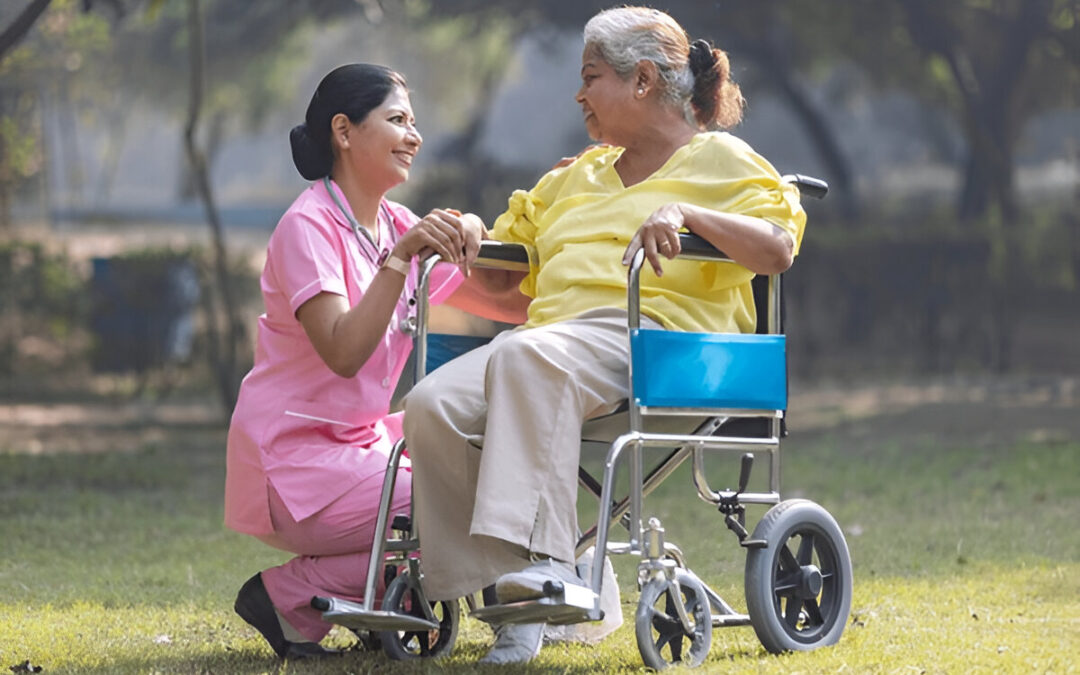
Hospital discharge is often considered the final step in treatment, but for seniors, it marks the beginning of a critical recovery phase. Without proper planning, this transition from hospital to home can be overwhelming and may lead to complications or even readmission.
Planning recovery care ensures that seniors receive timely support, helping them heal safely and comfortably. With structured elder support for post hospitalisation, families can create a smoother and more effective recovery journey.
The Challenges After Discharge
After leaving the hospital, many seniors can continue to deal with weakness, limited mobility, and ongoing medical needs. Without a clear care plan, they may face:
- Difficulty managing medications
- Lack of assistance with daily activities
- Increased risk of falls or infections
- Missed follow-up care or warning signs
These challenges can delay recovery and increase the chances of returning to the hospital.
Ensuring Continuity of Care
Recovery does not end at discharge—it requires consistent care and monitoring. Planning ensures there is no gap between hospital treatment and home care.
A well-prepared plan includes:
- Immediate caregiver support at home
- Regular monitoring of health conditions
- Coordination with doctors for follow-ups
This continuity helps detect issues early and prevents complications.
Effective Medication Management
Post-hospitalisation care often involves multiple medications with specific instructions. Managing these without support can be confusing and risky.
By planning, caregivers can:
- Organise medication schedules
- Ensure correct dosage and timing
- Monitor side effects or reactions
This structured approach reduces medication errors and supports faster recovery.
Preparing the Home Environment
A safe and comfortable home plays a key role in recovery. Making necessary adjustments before discharge helps reduce risks and improves ease of movement.
Important steps include:
- Ensuring proper lighting and clear pathways
- Arranging supportive bedding and seating
- Using assistive devices where required
A well-prepared environment promotes safety and independence.
Supporting Physical Recovery
Many seniors require gradual rehabilitation after hospitalisation. Without proper support, inactivity can lead to weakness and complications.
Advance planning allows for:
- Assistance with mobility and daily movement
- Guided exercises or physiotherapy
- Monitoring progress over time
This helps seniors regain strength and confidence at their own pace.
Emotional Well-being and Personalised Care
Recovery can also be emotionally challenging. Seniors may feel anxious, dependent, or isolated after returning home.
Personalized Elderly Care Post Hospitalisation ensures that care is tailored to individual needs, providing not just physical assistance but also emotional support. Compassionate care improves confidence, reduces stress, and enhances overall well-being.
The Role of Professional Care Services
Professional caregivers bring expertise, consistency, and reassurance during recovery. From health monitoring to daily assistance, they ensure that seniors receive comprehensive care.
At KITES Senior Care, we help families plan recovery before discharge, ensuring a smooth transition from hospital to home. Our tailored care plans focus on recovery, comfort and safety.
Learn more about our services here: